From Office Politics to Lifesaving Heroics: Finding Fulfillment in EMS
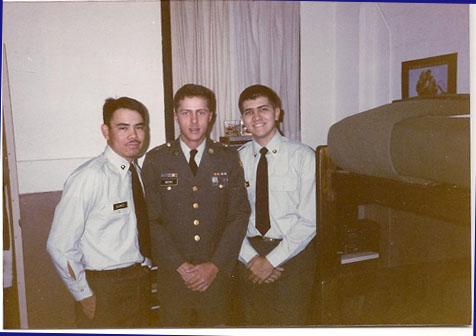 In 1983, I made the decision to join the Army at the young age of 17.
Upon completing my service, I returned home and pursued a college education in computer science, subsequently finding myself in various standard jobs. One of these jobs was in the publishing industry, where the skills I gained continue to be beneficial in my current pursuits.
During this time, I noticed a recurring theme – I simply did not have the patience for my coworkers. I perceived them as lazy, slow, only doing the bare minimum, continuously complaining, and expecting more despite their lack of contribution.
Now, it’s possible that my perception was not entirely accurate, but that was my point of view at the time.
After approximately four years in the “corporate” environment, I yearned for something that resonated more deeply with my values.
For me, this longing was rooted in a sense of service that was absent in my current jobs and the people I was surrounded by.
I began to reflect on the medics I had worked alongside during my time in the Army. There’s a saying that what you think about, you start to see.
So, I began to think about medics, and soon enough, I started noticing ambulances wherever I went. It was almost as if I was chasing after them, watching how the medics operated.
One particular moment stands out in my memory – witnessing a car wreck (MVA) and being captivated by the professionalism of the crew. I observed how seamlessly they worked alongside the fire department and police at the scene, providing patient care and loading them into the ambulance. I yearned to see what was happening inside.
That was when I became hooked.
Fast forward one year, and I myself became an EMT. I found myself responding to wrecks and working alongside individuals who shared my values.
Most of us in EMS, police, and fire have a natural drive to serve others.
It is this drive and shared purpose that enables us to get along so well. We are able to appreciate each other’s roles and embrace our own, with EMS being recognized as the Third Service. 
I came to realize that it was the lack of service and desire to serve that had frustrated me so much in my previous coworkers.
While I may have been friends with some of them, I can honestly say that I only maintain a friendship with one from that phase of my life. On the other hand, I have formed lasting friendships with many individuals I have met during my time in the Army and my career in EMS.
Ultimately, I believe it is crucial for us as EMS professionals to acknowledge that we are in a profession of servitude.
And that is not a bad thing. In fact, it is an honor. It is a privilege to be there for people in their time of need, earning their immediate trust in our knowledge and abilities.
I urge you to embrace this honor and privilege.
In doing so, you will discover a thirst to continuously improve and expand your understanding. You will strive to demonstrate that you take this privilege seriously and constantly seek ways to deserve the trust and responsibilities bestowed upon you as an EMS professional.
Never take this responsibility lightly.
 Be Better At EMS


Like your article. Lucked out and found what I wanted to do at 08 yrs. 43 years on a rig. The teaser in the browser used the word servitude. A third service often overlooked and underpaid. Servitudes says mandatory OT. The word slavery is in the definition of servitude. Scary to base a call towards professional and dedicated work on these terms.